How to plan a productive test drive at a Dayton Chevrolet dealer
Why a test drive needs a plan
A test drive is more than a quick loop around the block. It is your chance to feel how a vehicle handles, check whether the cabin works for you, and spot any issues before you commit. Without a plan, it is easy to get distracted by a smooth ride or a shiny interior and miss something that matters. Walking onto the lot with a clear sequence of checks helps you stay focused and make a decision you will be happy with later.
When you visit a Chevrolet dealer in Dayton, Ohio, the goal is to match the car to your daily driving needs. Maybe you need a family SUV that handles snow well, or a truck that can tow a trailer, or a compact car for commuting. Knowing what you want before you arrive saves time and keeps the test drive productive. This article walks through the steps of a well-planned test drive, from preparation to the final walk-around, and points out what to watch at each stage.
Step 1: Know what you are looking for
Before you set foot on the lot, write down the basics: vehicle type (SUV, truck, car), approximate size, and must-have features such as four-wheel drive, seating for six, or a particular towing capacity. Also think about your budget range and whether you want new or used. A clear list keeps you from being swayed by a flashy option that does not actually fit your life.
It helps to browse the dealer's online inventory first. Most dealerships list current stock on their website, so you can see what is available and note a few models that match your list. When you arrive, tell the salesperson what you are after. A focused conversation early on means you spend time testing cars that are genuine possibilities, not just whatever is parked near the door.
Step 2: Schedule your visit
Call ahead or book online to set an appointment. Weekday mornings are often quieter, giving you more time and attention. A scheduled visit also ensures the car you want to test is on site and ready. If you just drop in, the vehicle you are interested in might be out on another appointment or in the service bay.
When you book, mention the specific models you want to drive. A good dealer will have those cars pulled up and waiting when you arrive, which saves at least twenty minutes of wandering the lot. It also signals that you are a serious buyer, so the salesperson is likely to give you a thorough walk-through rather than a rushed loop.
Step 3: The pre-drive inspection
Before you start the engine, take a slow walk around the car. Look at each panel from different angles. Check for dents, scratches, rust, or mismatched paint, especially on a used vehicle. On a new car, look for any signs of damage from transport or handling. Open and close each door, the tailgate, and the hood to make sure they latch smoothly. Try the locks and windows. Sit in every row and test the seat adjustments, the steering wheel tilt, and the pedal reach.
Under the hood, check fluid levels if you know how. Look at the battery terminals for corrosion and the belts for cracks. If you are not comfortable under the hood, ask the salesperson to walk you through the basic checks. A dealership that is proud of its cars will be happy to show you a clean, well-maintained engine bay.
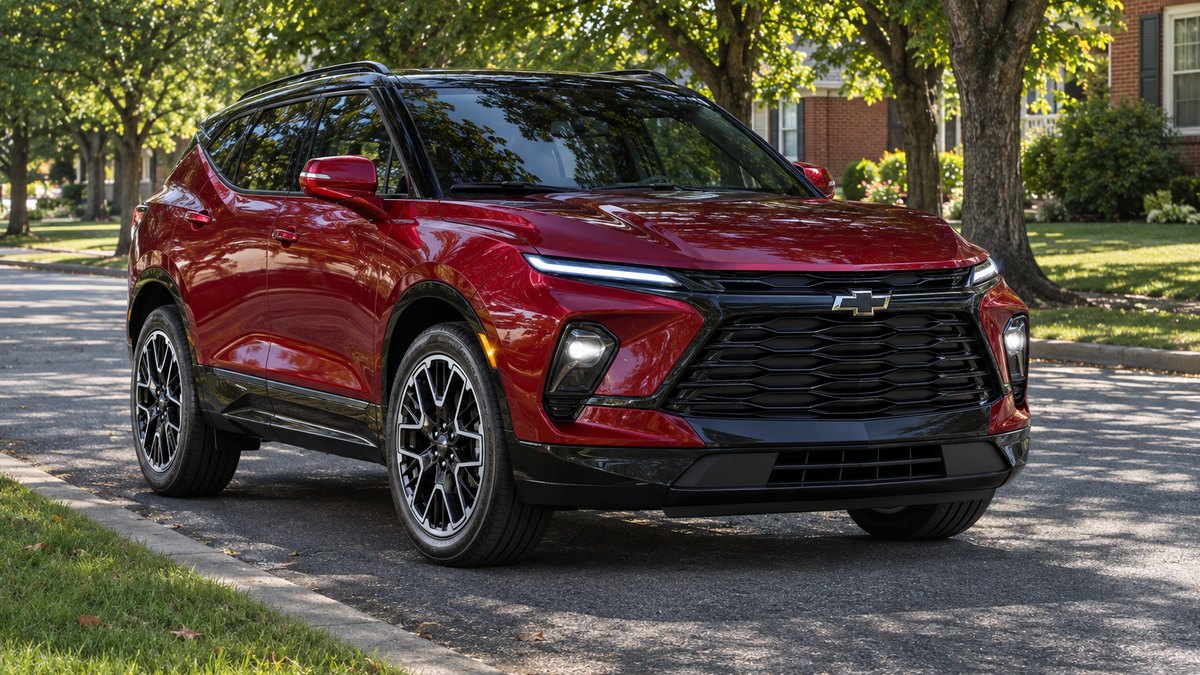
Also examine the tires. Uneven wear can indicate alignment problems or suspension issues. On a new car, the tires should all match and have good tread. On a used car, check that the spare is present and inflated. A quick look now can save you from discovering a problem on the road.
Step 4: Set up the cabin before you drive
Adjust the seat, mirrors, and steering wheel to your normal driving position before you move. This is not just about comfort; it affects how well you can see and react. Set the climate control to a comfortable temperature and turn on the radio or infotainment screen. Listen for any buzzes or rattles from the dashboard or speakers. Test the navigation system if the car has one, and make sure the phone pairing works for hands-free calls.
While you are still parked, try every control: headlights, turn signals, windshield wipers, horn, and any driver-assist features like lane-keep or adaptive cruise control. If the car has a push-button start, test that too. A few minutes of stationary checks prevent you from fumbling with controls while you are trying to watch traffic.
Step 5: Choose the right route
A short loop that only goes on smooth, straight roads will not tell you much. Ask the salesperson for a route that includes a mix of conditions: a residential street with speed bumps, a stretch of highway where you can reach highway speeds, and a road with some curves. If you have a particular concern, like how the car handles gravel or steep hills, ask to include that type of surface.
If the dealer does not have a standard test route, suggest one yourself. A good dealer will accommodate a reasonable request. The point is to experience the car in conditions similar to your daily commute or weekend drives. For example, if you live on a dirt road, you need to know how the suspension absorbs bumps and how much dust enters the cabin.
Step 6: On the road, what to feel for
Start with moderate acceleration and braking. Pay attention to how smoothly the car picks up speed and how evenly it stops. A car that jerks or wobbles during a gentle stop may have brake issues. Listen for any unusual noises from the engine, transmission, or suspension. A quiet cabin is a good sign, but a complete absence of road noise might mean the car is too well insulated for you to hear approaching emergency vehicles.
At highway speed, check for steering wheel vibration, which can indicate out-of-balance tires or worn suspension parts. Take a corner at a moderate speed and feel how the car leans. A well-tuned vehicle should feel stable and planted. Try changing lanes quickly to test how the car responds to sudden inputs. If the steering feels vague or the car drifts, that is worth noting.
Also test the car's visibility. Check your blind spots at intersections and when merging. Look at how the rear window and side mirrors line up. Some modern designs have thick roof pillars that can create large blind spots. Make sure you can see well enough to feel safe in heavy traffic.
Step 7: Test the technology and convenience features
Modern cars come with a lot of electronics. Use the test drive to try the touchscreen, voice commands, or any app-based controls. See how long it takes for the screen to respond. If the car has a digital gauge cluster, check that all the displays are bright and readable in direct sunlight. Test the phone projection if the car offers it, and make sure the Bluetooth connects without a fuss.
If the car has a backup camera, park it somewhere with a curb or a cone and see how well the camera lines up with the real-world view. Try the parking sensors if they are present. These features are meant to make your life easier, but only if they work well and are intuitive to use.
Step 8: The post-drive walk-around
After you return to the lot, step out and inspect the car again. Look at the tires for any debris picked up during the drive. Check under the car for fresh drips of oil, coolant, or water. A few drops of water from the air conditioner are normal, but colored fluids are a concern. Open the hood again and check for any new leaks or smells.
Take a moment to sit in the back seat and the passenger seat. If you often carry passengers, their comfort matters too. Test the rear climate vents and the USB ports. Make sure the seats fold down if you need to carry long items. If the car has a third row, climb in and see how easy it is to access.
Step 9: Ask questions and compare notes
Before you leave, ask the salesperson about the car's service history, warranty options, and any known quirks. If the car is used, ask for a copy of the vehicle history report. If it is new, ask about the dealer's prep process and what is included in the delivery. A straightforward conversation now can prevent misunderstandings later.
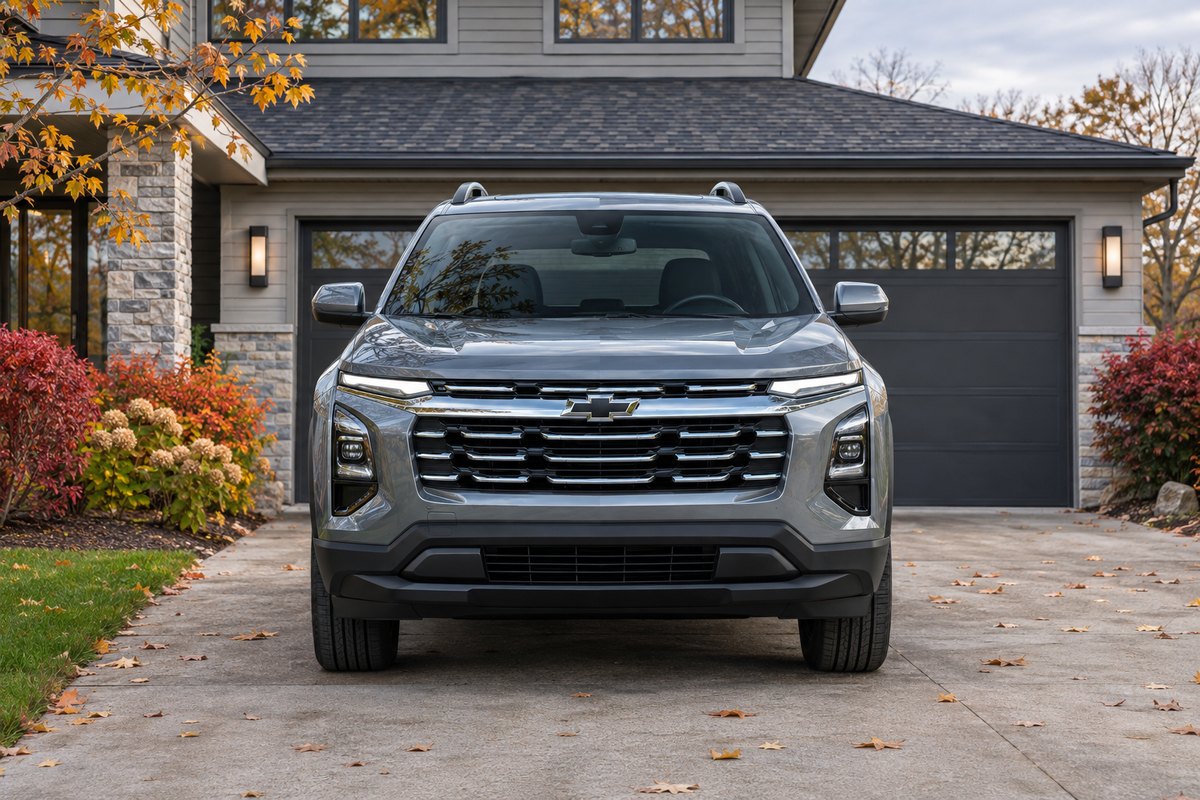
Write down your impressions immediately after the drive. Rate the car on a simple scale: comfort, handling, visibility, noise, and technology. Compare notes with anyone who came along. If you are considering two different models, drive them back-to-back so the differences are fresh in your mind.
Step 10: Decide on next steps
If the car felt right and met your checklist, you are in a good position to move forward. Ask about availability, pricing, and any ongoing promotions. If something felt off, do not force it. A small annoyance during a test drive often becomes a bigger problem after months of ownership.
If you are serious about a particular model, consider a second test drive on a different day and route. A second look can confirm your first impression or reveal issues you missed. Some dealerships allow extended test drives or overnight loans for serious buyers. If the dealer offers that option, take it. Nothing beats living with a car for a full day.
Throughout the process, keep in mind that a good dealer wants you to be confident in your choice. At Jeff Schmitt Chevrolet South, the staff is accustomed to helping buyers through this process, and they can provide detailed information about the vehicles on the lot. A well-planned test drive at a Chevrolet dealer in Dayton, Ohio, gives you the data you need to make a sound purchase. The time you invest in preparation and thorough testing pays off in a car that fits your life and your driving habits.
Remember that a test drive is not a pass-fail test. It is a discovery tool. The more you learn about each car, the better your final decision will be. Use the steps above as a framework, but adapt them to your own priorities. If you care most about fuel economy, spend extra time on the highway and check the trip computer. If you have a long commute, focus on seat comfort and noise levels. Every buyer is different, and the test drive should reflect that.
When you are ready to visit a dealership, Jeff Schmitt Chevrolet South is one option in the Dayton area worth considering. A plan, a clear list of needs, and a thorough test drive will put you in the driver's seat of the right vehicle for you.
Ends · THECARDEALERSHIPNOTES